What can Myofunctional Therapy do for You?
click topics below to learn more:

Corrects Tongue and Lip Posture
Myofunctional therapy helps train the tongue, lips, and facial muscles to rest and function as they were designed to. A primary goal is establishing proper tongue posture, where the tongue rests against the roof of the mouth rather than sitting low in the mouth or pressing against the teeth. Therapy also helps improve lip posture so the lips can comfortably stay together at rest.
These resting positions play an important role in oral and facial development. When the tongue rests properly against the palate, it provides natural support for healthy jaw growth and development. This can contribute to improved dental alignment, better airway development, and more efficient swallowing patterns. Proper tongue posture may also help reduce unwanted pressure on the teeth that can contribute to crowding or orthodontic relapse.
By retraining the muscles of the face and mouth, myofunctional therapy promotes healthy habits that support breathing, swallowing, speech, and overall oral function.
Enhances Oral Function
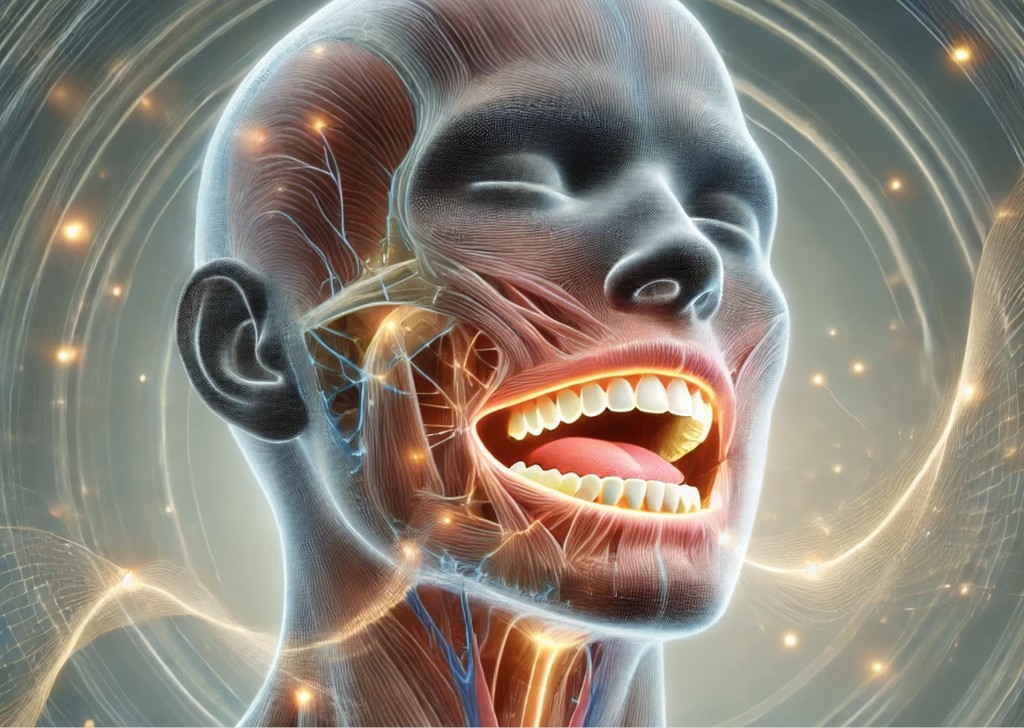
Myofunctional therapy helps improve the way the muscles of the mouth and face work together during everyday activities such as chewing, swallowing, speaking, and breathing. Through targeted exercises and habit retraining, patients learn healthier muscle patterns that make these functions more efficient and comfortable.
A common focus of therapy is correcting tongue thrust, a pattern in which the tongue pushes against or between the teeth during swallowing. Over time, this repeated pressure can contribute to dental misalignment, bite changes, speech difficulties, and orthodontic relapse. By teaching proper tongue movement and swallowing patterns, myofunctional therapy helps support long-term oral function, healthier dental development, and improved stability of orthodontic treatment results.
Supports Orthodontic Treatment
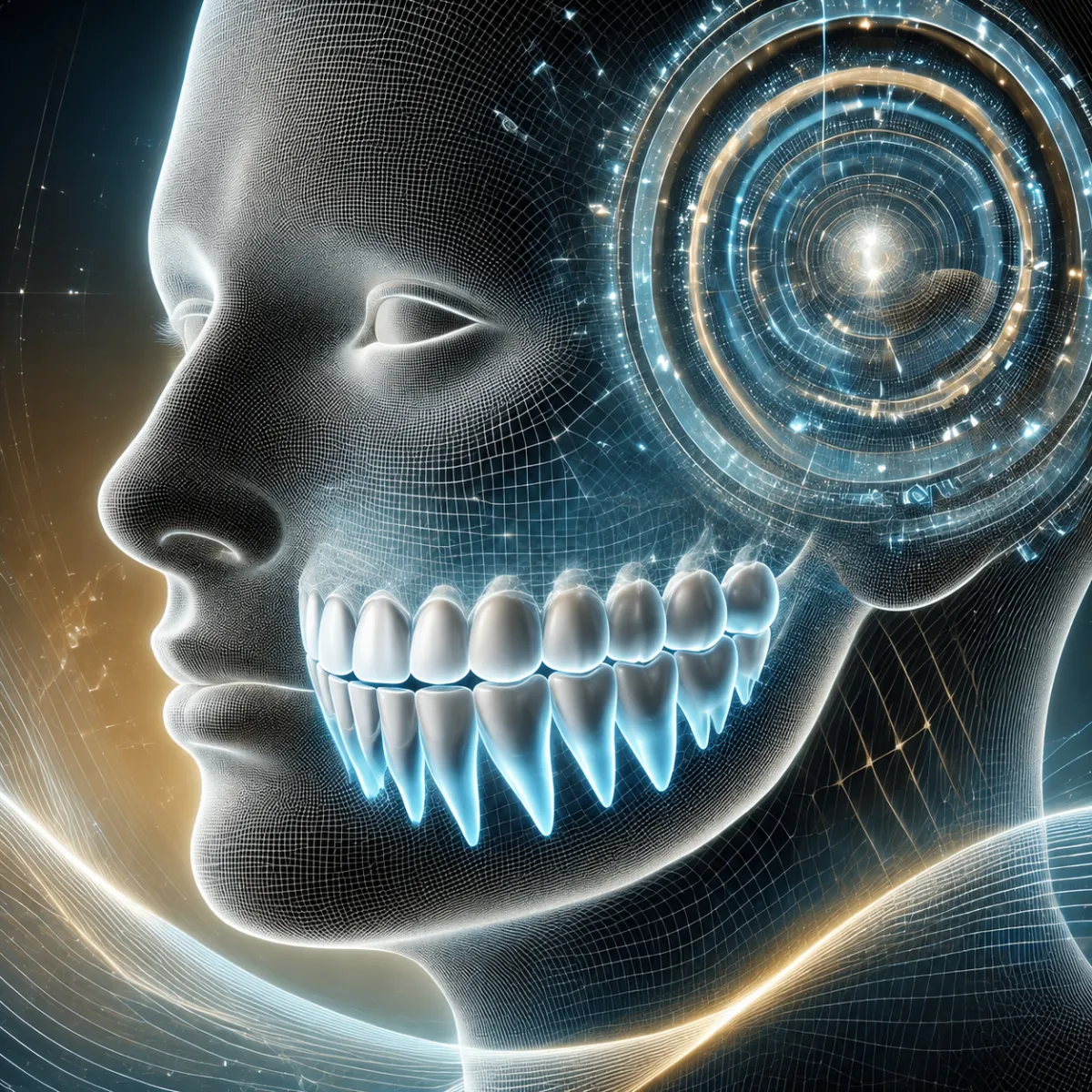
Myofunctional therapy works hand-in-hand with orthodontic treatment by addressing the muscle habits that can influence tooth position and jaw development. Habits such as tongue thrust, mouth breathing, incorrect tongue posture, and prolonged oral habits can place unwanted pressure on the teeth and contribute to orthodontic relapse after braces or aligners.
By helping establish healthy tongue posture, proper swallowing patterns, and nasal breathing habits, myofunctional therapy supports the long-term stability of orthodontic results. In some cases, especially when started early in a child's development, improving oral function may help guide healthier jaw growth and create a more favorable environment for dental alignment. While myofunctional therapy does not replace orthodontic treatment, it can be a valuable complement that helps promote lasting results and supports overall oral health.

Alleviates TMJ and Jaw Pain
Myofunctional therapy can help reduce strain on the jaw joint and surrounding muscles by improving the way the mouth, tongue, and facial muscles function throughout the day. Poor oral habits, muscle imbalances, incorrect tongue posture, and chronic mouth breathing can place additional stress on the jaw and contribute to discomfort over time.
By promoting proper muscle function and reducing unnecessary tension, myofunctional therapy may help relieve symptoms commonly associated with temporomandibular joint dysfunction (TMD), including jaw pain, facial soreness, headaches, neck tension, jaw fatigue, and clicking or popping sounds. Many patients also report greater comfort when chewing, speaking, and opening or closing their mouths. While therapy is not a cure for all causes of TMJ disorders, it can be an important part of a comprehensive approach to improving jaw function and reducing discomfort.

Improves Speech Clarity
The tongue, lips, and facial muscles play an important role in producing clear speech. When these muscles are not functioning properly, it can affect the way certain sounds are formed and may contribute to speech difficulties. Myofunctional therapy helps improve muscle coordination, strength, and awareness, creating a stronger foundation for clear and efficient speech.
By correcting tongue and lip posture and retraining movement patterns, myofunctional therapy may help address issues such as lisps, distorted speech sounds, and difficulty pronouncing certain words. For some individuals, therapy can complement speech therapy by addressing underlying oral muscle habits that may be contributing to speech challenges. Improved oral function often leads to clearer communication and greater confidence when speaking.
Eliminate Oral Habits
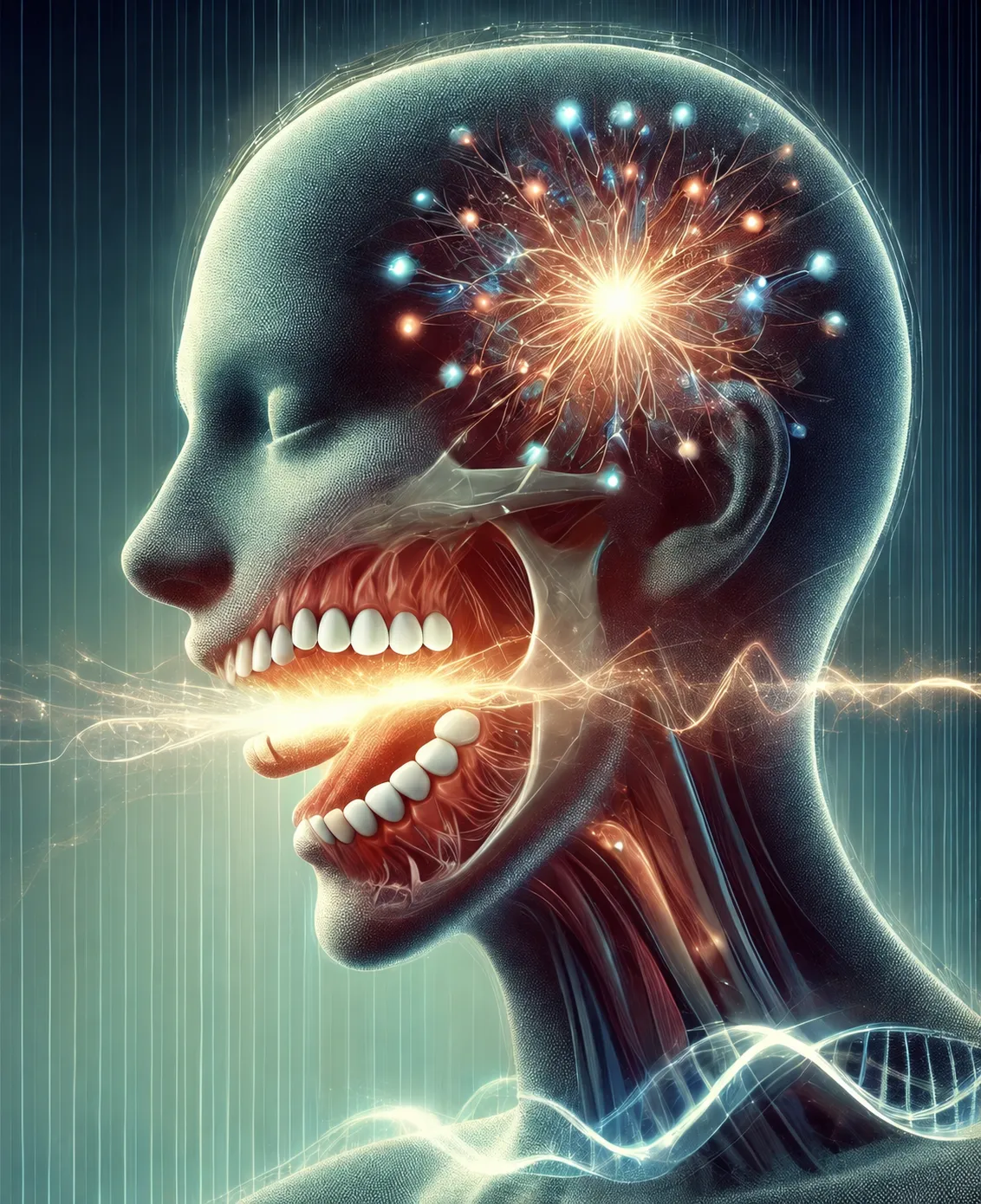
Myofunctional therapy helps identify and eliminate oral habits that can interfere with healthy dental, facial, and airway development. Habits such as thumb sucking, prolonged pacifier use, tongue sucking, nail biting, lip chewing, and chewing on objects may seem harmless, but when they continue over time, they can affect the position of the teeth, shape of the palate, and growth of the jaws.
Through education, awareness, and positive habit-retraining strategies, myofunctional therapy helps patients replace unwanted habits with healthier patterns. For children, addressing these habits early can support proper facial growth and reduce the risk of future orthodontic concerns. For older children and adults, breaking long-standing habits can improve oral function and help protect the results of orthodontic treatment. By targeting the root cause rather than simply the symptom, myofunctional therapy encourages lasting changes that support long-term oral health.

Supports Facial Aesthetics and Balance
The way the tongue, lips, and facial muscles function can influence the appearance and development of the face over time. Proper tongue posture, lip seal, nasal breathing, and balanced muscle function help support healthy growth of the jaws and facial structures, particularly during childhood and adolescence.
Myofunctional therapy promotes these healthy patterns by retraining the muscles of the face and mouth to work efficiently and naturally. As oral function improves, patients may experience better facial symmetry, improved muscle tone, and a more balanced facial appearance. While the primary goal of therapy is improved function and health, many patients appreciate the positive effects that proper oral posture and muscle balance can have on overall facial development and aesthetics.

Improves Digestion and Over all Health
The way we breathe, chew, and swallow can have a significant impact on overall health. Myofunctional therapy helps establish proper swallowing patterns, allowing food and liquids to move more efficiently through the digestive system. For some individuals, improving oral function may help reduce symptoms associated with swallowing difficulties and support better digestive health.
Myofunctional therapy also emphasizes healthy nasal breathing, which allows the body to take in and utilize oxygen more effectively. Improved breathing patterns can contribute to better sleep quality, increased energy levels, enhanced focus, and overall well-being. Because the muscles of the mouth and face are closely connected to breathing, sleep, and daily function, addressing these patterns can have benefits that extend far beyond the mouth. By promoting healthy habits and proper function, myofunctional therapy supports a more balanced and healthy lifestyle.